Whiddon launches RBC Enrich, a global-first dementia care pilot, focused on reducing emotional isolation through meaningful human connection
In partnership with global dementia leader Memory Bridge, Whiddon is bringing a global-first approach to dementia care to Australia during Dementia Action Week 2026.
21 September 2026
As Australia faces a growing dementia challenge, leading not-for-profit aged care provider Whiddon is exploring a new approach to dementia care through a global-first pilot. The initiative is examining how understanding and responding to the emotional needs of people living with dementia can support quality of life and more meaningful care.
The 16-month pilot, RBC Enrich, is focused on training care staff to recognise and support residents’ emotional needs and provide opportunities for emotional expression, meaningful connection and individualised support. It is particularly relevant for people living with advanced dementia, who may experience higher incidences of emotional isolation and may be unable to communicate in traditional ways.
Delivered in partnership with US-based global dementia leader Memory Bridge, the pilot will explore whether a more intentional focus on emotional wellbeing and expression can enhance quality of life for people living with dementia and influence the way care is delivered around them.
Announced during Dementia Action Week (21–27 September), the pilot is being delivered to Whiddon’s Easton Park residential care home in Glenfield and other homes across regional NSW including Whiddon Maclean and Whiddon Kelso, and builds on Whiddon’s existing award-winning Relationship-Based Care approach.
It comes as Australia’s dementia population continues to grow, with Dementia Australia estimating 446,500 Australians will be living with dementia in 2026, increasing to more than one million by 2065.¹
Against this backdrop, Whiddon is exploring how dementia care can better balance clinical care with the emotional needs of each person, including how people express feelings, preferences and needs when verbal communication becomes more difficult.
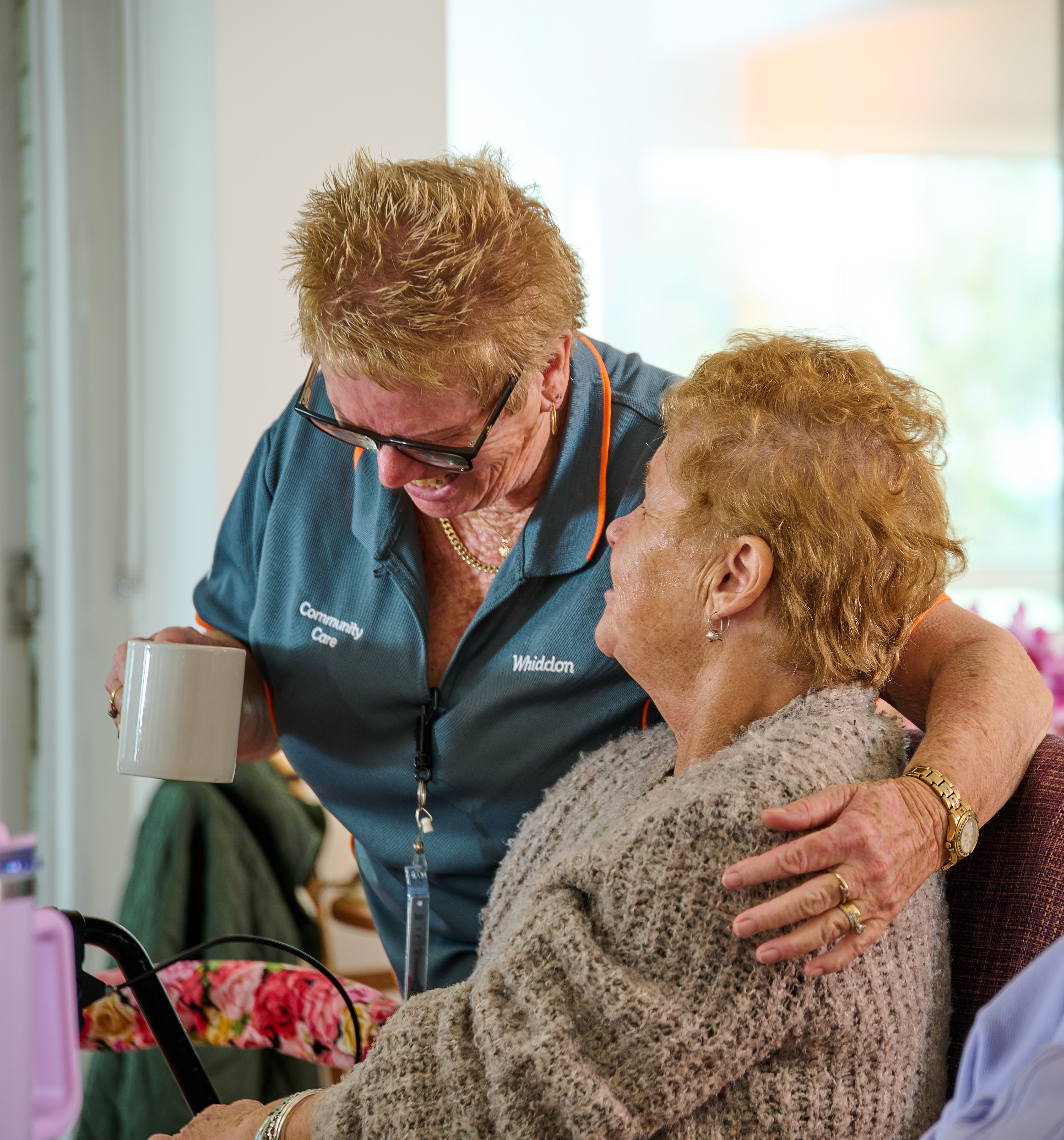
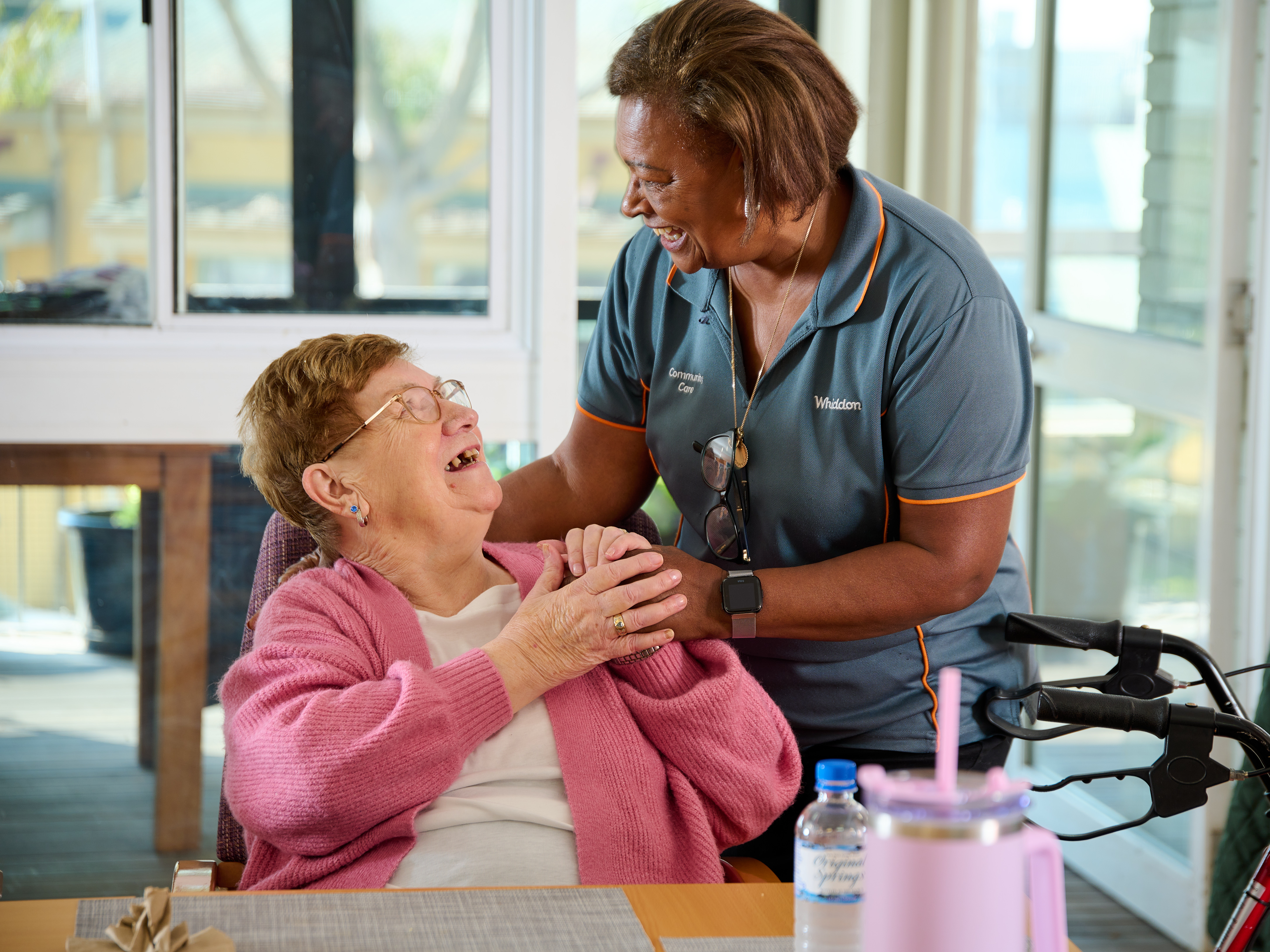
Under RBC Enrich, specially trained staff known as “Bridges” provide dedicated one-on-one interactions with residents, taking time to be present, understand what a person may be experiencing emotionally and respond in a way that is entirely tailored to and led by the individual. The approach also encourages staff to look beyond behaviour and consider what a person’s actions, responses or changes in engagement may be communicating
Whiddon Executive General Manager, Research and Positive Ageing, Karn Nelson, said the pilot is about trialing how dementia care in aged care can be more person-centred and responsive to emotional needs and expression, despite the restrictions and regulations placed on aged care.
"Dementia changes the way a person may communicate, but it doesn't change their need for relationships, identity, dignity and belonging," said Ms Nelson.
"RBC Enrich takes relationship-based care to a new level, where meaningful human connection becomes a deliberate and consistent part of everyday care, particularly for people who may no longer communicate in conventional ways."
At Whiddon Easton Park, RBC Enrich Bridge Julie Mao said the approach is changing how staff understand and respond to residents.
"The biggest shift is the level of curiosity. Rather than making assumptions about why a resident might behave a certain way, we’re taking more time to understand their current reality and, importantly, letting the resident lead us in understanding what they need and how they’re feeling.”
At Maclean, Regional Services Manager Chrissie Marando has similarly seen the value of deeper connection and looking beyond behaviour.
“Sometimes what we interpret as disengagement or reluctance is actually communication. By using these new techniques to understand the person, rather than simply responding to the behaviour, we can connect more deeply with residents, provide better support and respond more effectively to their individual needs.”
Whiddon Deputy CEO, Alyson Jarrett, said the partnership with Memory Bridge provides an opportunity to test international thinking in an Australian aged care environment.
"Quality dementia care needs to consider more than clinical outcomes. It also needs to ask whether people feel seen, heard and connected.”
She continues, "RBC Enrich gives us an opportunity to test this approach in practice and learn more about what meaningful, relationship-based dementia care can look like."
As the pilot progresses, Whiddon will continue to assess its impact and explore what the findings could mean for the future of dementia care.
Sources
¹ Dementia Australia, 5 February 2026, Number of Australians living with dementia is growing.
² Australian Institute of Health and Welfare, 30 July 2026, Dementia in Australia – Prevalence of dementia.
-ENDS-


About Whiddon
Whiddon is an award-winning care provider that aims to inspire every day across its residential aged care homes, community care and NDIS services throughout NSW and Southeast Queensland.
For more than 75 years, Whiddon has provided care and support to older Australians and people living with disability across regional, rural and remote communities.
Whiddon proudly partners with academics and universities to remain at the forefront of innovation, leading new thinking, programs and training around quality of life and ageing.
About RBC Enrich
RBC Enrich is a 16-month global-first pilot delivered by Whiddon in partnership with Memory Bridge. Building on Whiddon’s Relationship-Based Care approach, it explores how dedicated one-on-one interactions can support meaningful connection, identity, dignity and emotional wellbeing for people living with dementia.